

Webflow has won a devoted following among brand and marketing teams, and for good reason. It hands control of the website to the people responsible for the brand, lets them design and change it without a development queue, and produces fast, polished results. For the right team doing the right job, that is a genuine shift in how a site gets built and maintained. The trouble starts when its strengths get mistaken for universal ones, and it gets chosen for jobs it was never meant to do.
The honest way to think about Webflow is to be clear about what it is for. It is a powerful tool for brand-led teams building marketing and content-driven sites, and a poor fit for heavy, complex commerce or application-like requirements. Knowing which of those you need is the whole decision, and getting it wrong in either direction is expensive in its own way.
Where Webflow genuinely wins
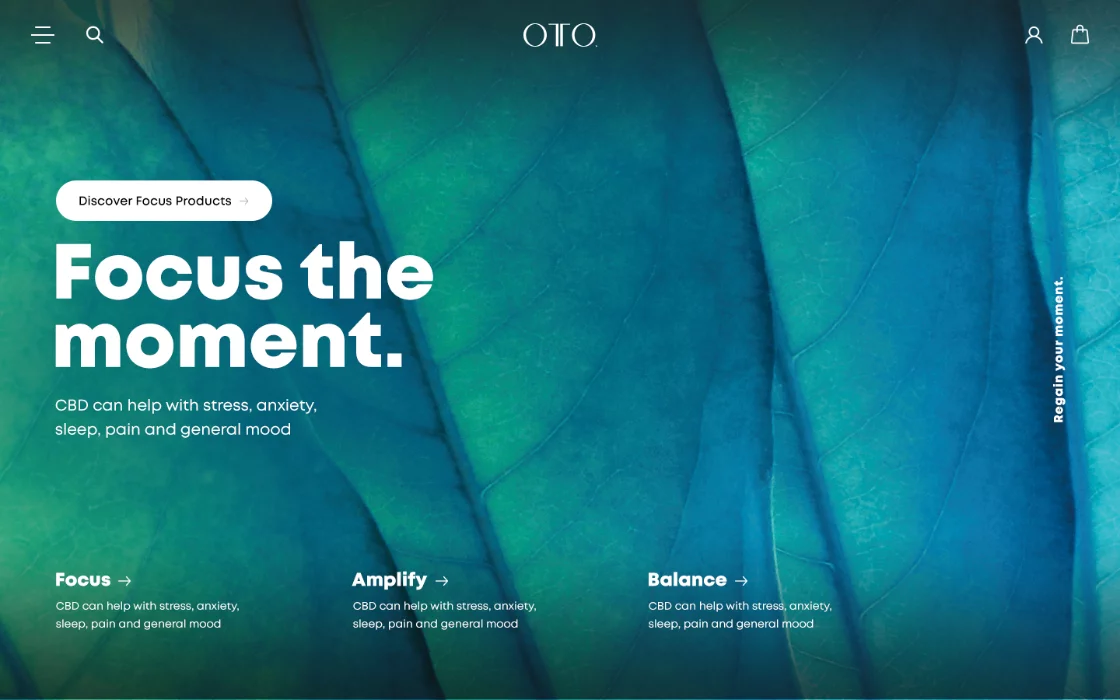
Webflow's strength is the combination of design freedom, speed and independence from a development bottleneck. A brand team can build exactly the site it envisions, change it whenever it wants, and keep it fast and current without raising a ticket for every adjustment. For a marketing site, a brand-led presence, or a business where the website is primarily a content and brand surface, this is close to ideal, and it is the kind of Webflow work that plays directly to the platform's strengths.
That independence is not a minor convenience. The ability to move quickly, to test and change without waiting on development capacity, is a real competitive advantage for teams whose job is to keep the brand sharp and current. Webflow gives marketing teams a kind of autonomy that traditional builds rarely do, and for the right use that autonomy is exactly the point.
Where it starts to hold you back
The same platform that liberates a brand team constrains a team with heavier requirements. Complex commerce, intricate functionality, deep integration with other systems, application-like behaviour: these push beyond what Webflow is built for, and forcing them onto it produces awkward workarounds, third-party dependencies and a fight against the platform's grain. Used for the wrong job, the tool that removed friction becomes the source of it.
The risk is that Webflow's ease seduces teams into choosing it for jobs it cannot do well, because the early experience is so good. The site looks great and builds fast, and the limitations only surface later, as requirements grow beyond what the platform supports. By then the brand has committed, and discovering the ceiling after building against it is the expensive way to learn where it sits.
The decision is about the job, not the tool
The right way to decide is to be honest about what the site primarily needs to be. If it is fundamentally a brand and content surface, with commerce that is focused rather than sprawling, Webflow is likely an excellent and liberating choice. If it is fundamentally a complex commerce or application platform, with the brand layer sitting on top of serious functional depth, Webflow is the wrong foundation however appealing the design experience.
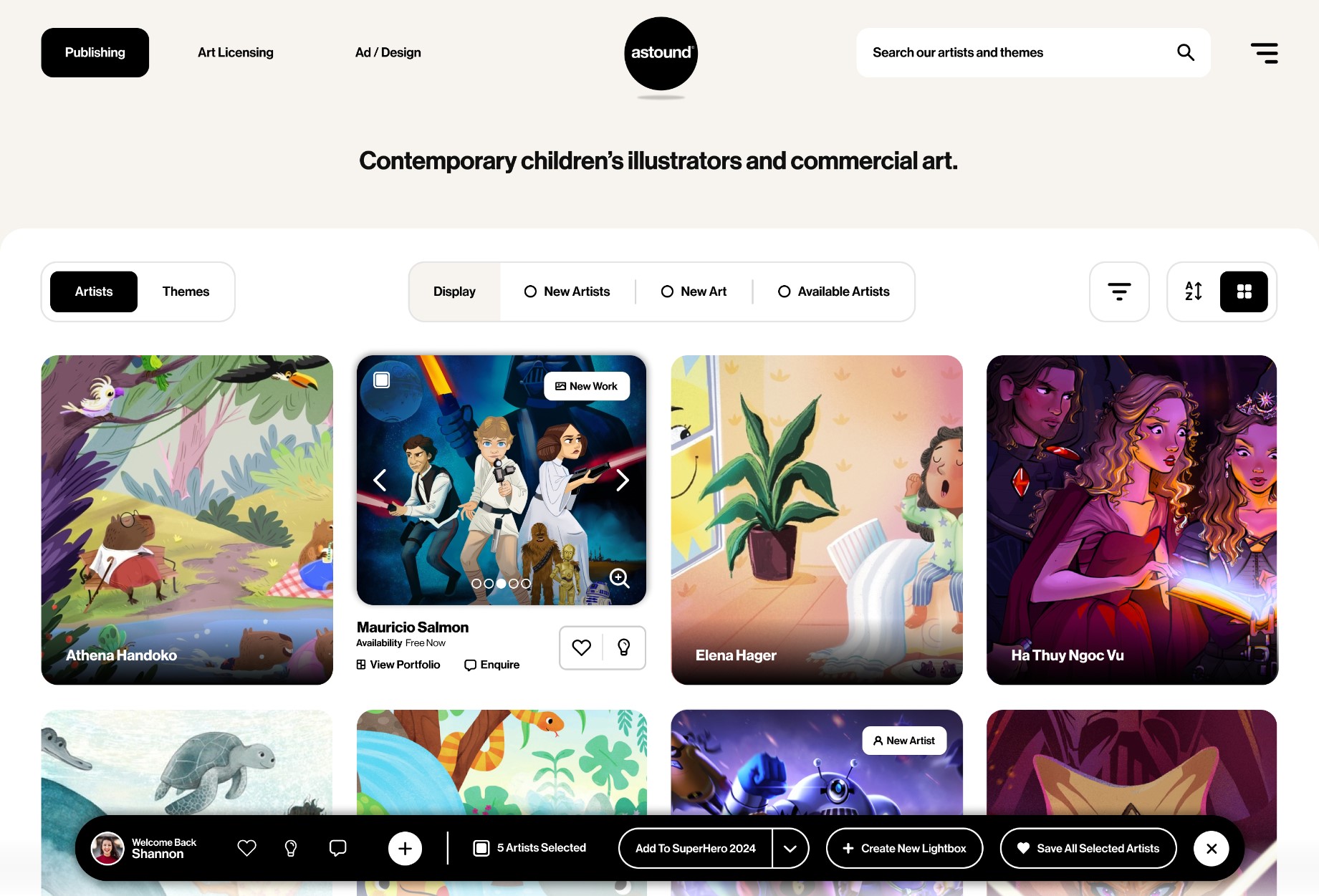
Most regret in either direction comes from deciding on the strength of the design experience rather than the substance of the requirement. The demo is delightful, the team is sold, and the harder question of whether the platform fits the actual job never gets asked properly. That is the question that should drive the decision, and it is the one we have helped brand-led teams like Artist AI answer honestly.
Design freedom needs discipline too
Even where Webflow is the right choice, its freedom rewards discipline. The same control that lets a team build anything lets it build inconsistently, accumulating one-off styles and structures that make the site harder to maintain over time. Brand-led teams that thrive on Webflow tend to bring a system to it, a consistent set of components and conventions, so the freedom produces a coherent, maintainable site rather than a sprawl. Freedom without discipline ages as badly here as extension sprawl does elsewhere.
This is the part teams underestimate. Webflow makes building easy, which makes building messily easy too, and a site assembled without structure becomes its own kind of maintenance burden. The discipline of a design system is what keeps the platform's freedom an asset rather than a slow-accumulating liability.
The hidden cost is discovering the ceiling late
The most expensive way to learn Webflow's limits is to hit them after building on it, because the cost of being wrong arrives with interest. A brand that chose Webflow for a requirement it could not ultimately support faces a migration to another platform, with all the disruption, cost and risk that involves, at a point where the business has already committed and grown around the original choice. The early ease that made Webflow attractive becomes the thing that makes leaving it painful.
This is why the decision deserves real scrutiny up front rather than enthusiasm in a demo. The questions that reveal whether Webflow fits, about the depth of commerce, the complexity of functionality, the integration requirements and where the business is heading, are not hard to ask, they are just easy to skip when the design experience is so persuasive. Asking them properly before committing is far cheaper than discovering the answers after.
The mirror-image cost is just as real and less discussed. A brand that rejected Webflow out of an assumption that it could not be serious enough, when its needs were genuinely brand and content led, pays in lost speed and lost autonomy, running a heavier build that requires a development queue for every change the brand team could have made itself. Over-specifying the platform is a quieter mistake than outgrowing it, but it is a mistake all the same.
Both errors come from deciding on reputation or first impression rather than honest fit, which is the through-line of every platform decision. The remedy is the same unglamorous discipline: assess the platform against what the site genuinely needs to be and where it is heading, and let that, not the demo or the assumption, decide.
A practical way to test fit before committing is to take your hardest requirements, not your easiest, and check honestly whether Webflow handles them well or only with strain. It is always going to manage the homepage and the blog beautifully, so those prove nothing. The real test is the most complex thing the site genuinely needs to do, the intricate commerce, the integration, the functional depth, and whether the platform supports it natively or forces a workaround. Decide on the hard cases, because the easy ones never reveal the ceiling, and the ceiling is the only thing the decision actually turns on.
Match the platform to the team and the job
The clean conclusion is that Webflow is an outstanding choice for brand-led teams building brand and content-led sites, and a poor one for heavy commerce or application needs, and the entire decision rests on being honest about which you are. Chosen for the right job, it gives a brand team speed and control few alternatives match. Chosen for the wrong one, it becomes a constraint you will eventually have to escape.
If you are weighing Webflow for your site, the question to answer first is what the site fundamentally needs to be. Our UI and UX consultation is built to match the platform to the job and the team, before the decision is expensive to reverse.